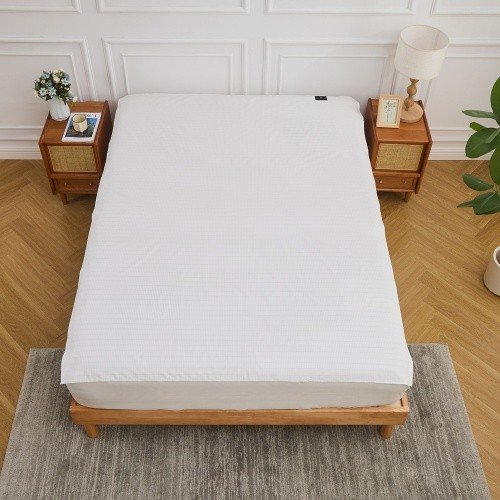
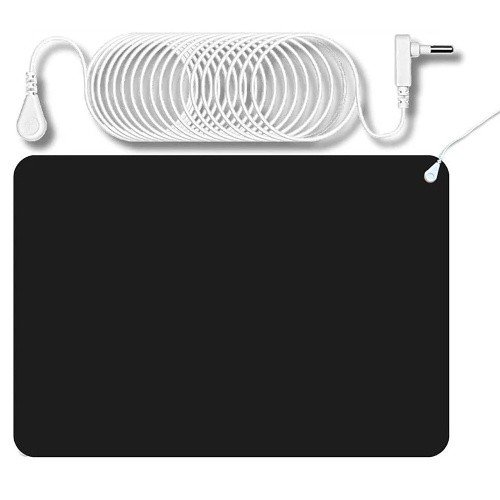
Sourcing OEM grounding sheets involves more than adding a logo to an existing product. Procurement teams must align textile construction, conductive components, dimensions, connection accessories, labels, packaging, quality criteria, and commercial terms. If these details are missing from the request for quotation, suppliers may interpret the project differently, making quotations and samples difficult to compare.
For importers, distributors, retailers, and e-commerce brands, the objective is to create a repeatable private-label product suited to the intended market and sales channel. A clear specification, controlled sampling process, and destination-specific review can reduce ambiguity before bulk ordering.
This guide explains how to define custom grounding sheets, manage OEM development, compare wholesale terms, evaluate suppliers, and prepare an actionable RFQ without relying on unsupported outcome claims.
OEM Grounding Sheets: What Buyers Need to Know
In a B2B project, OEM grounding sheets are manufactured according to a buyer-defined or jointly developed specification. Customization may cover the sheet format, dimensions, textile construction, conductive design, color, connector position, accessories, branding, instructions, or retail packaging.
A private-label program may use an existing supplier specification with customized labels and packaging. A more extensive OEM project may require original dimensions, selected materials, modified construction, or a dedicated accessory configuration. Buyers should identify the required customization level before requesting prices.
A useful initial product brief covers:
- Flat, fitted, or another sheet format
- Finished dimensions and acceptable tolerances
- Base textile composition and construction
- Conductive material or component requirements
- Connection-point design and position
- Cord, connector, or other included accessories
- Color and surface-finish expectations
- Care instructions and proposed evaluation methods
- Brand labels and product identification
- Individual packaging and master-carton configuration
- Inspection criteria and required documentation
Products sharing the same general description may still differ in construction, components, accessories, and test methods. Comparisons should therefore be based on written specifications rather than product names alone. Any factual statement about materials, performance, testing, or market suitability should be supported by documentation for the exact proposed product.
From OEM Concept to an Approved Specification
A development project should begin with a structured brief. Reference images can communicate visual preferences, but they do not define measurable construction or quality requirements.
Define the Product Architecture
List every size using finished measurements rather than relying only on names such as single, queen, or king. If products will be sold in several regions, record both metric and imperial dimensions and create a separate SKU specification for each market.
For fitted designs, define the intended depth, corner construction, elastic placement, and other relevant measurements. For flat designs, document edge finishing and hem details. Every specification should also show label positions and the location and orientation of the connection point.
Packaging limitations should be considered at this stage. If the finished pack must meet a retailer’s shelf dimensions or an e-commerce shipping target, include those limits in the brief so the product and packaging can be developed together.
Document Materials and Conductive Construction
Describe the preferred base fabric by composition, construction, color, finish, and any other measurable purchasing criteria. Avoid using general descriptions such as “premium fabric” without an agreed definition.
For the conductive design, request a material declaration, construction description, connection details, and proposed test method. When a supplier recommends an alternative, compare it against the original option in terms of appearance, care instructions, availability, cost implications, and evaluation approach.
The inspection specification can address fabric identity, finished measurements, workmanship, seam appearance, color consistency, labels, packaging, connection integrity, and conductive characteristics. Test methods, tolerances, sample sizes, and acceptance limits should be agreed in writing for the individual project.
Control Samples and Revisions
A practical approval sequence may include:
- Review the product specification and preliminary quotation.
- Evaluate material swatches or component references.
- Inspect a development sample.
- Consolidate requested changes into one revision document.
- Review packaging artwork and physical fit.
- Approve a final reference sample before bulk production.
Assign a version number and date to specifications, artwork, instructions, and change lists. The purchase order should identify the approved versions. This prevents an earlier file, informal message, or obsolete sample from becoming the production reference.
OEM and Private-Label Decisions
From an OEM perspective, customization should serve a defined product or commercial objective. A unique size may support a regional assortment, while a selected color or packaging format may distinguish the brand. Each variation should be evaluated against development effort, purchasing volume, inventory exposure, and quality-control complexity.
Classify every feature as one of the following:
- An existing supplier option
- A modification of an existing option
- A fully custom requirement
This classification helps buyers request comparable quotations and identify which decisions may depend on separate component or packaging minimums. It also allows the supplier to propose alternatives without silently changing a mandatory specification.
Branding requirements should be equally precise. The artwork package may include sewn-in brand labels, care labels, product identification, instructions, barcodes, SKU data, batch references, packaging text, and carton markings. Use one artwork register showing the filename, version, language, SKU, and approval status of each item.
Contracts and project documents should allocate responsibility for reviewing trademarks, product wording, instructions, labeling, and destination-market information. Qualified advisers can assess questions that depend on jurisdiction, product configuration, or sales channel.
Packaging should be treated as a technical specification as well as a branding surface. Define the inner protection, bag or box, closure method, barcode position, pack dimensions, carton quantity, and carton marks. Review the dieline before artwork production, then assess a physical sample or production-equivalent proof for fit, readability, scanning, and handling suitability.
Planning Your Grounding Bedding Program?
Share target products, sizes, quantities, branding, packaging, and destination markets for an OEM quotation.
Wholesale Terms: MOQ, Samples, Lead Time, and Packaging
From a wholesale perspective, the quoted price is meaningful only when it is linked to an exact product specification and quantity breakdown. Buyers should request MOQ, unit price, and packaging terms by SKU, size, color, and accessory configuration.
MOQ can be influenced by several independent purchasing elements, including fabric, custom colors, conductive components, labels, accessories, and printed packaging. Instead of asking only for one total MOQ, structure the quotation table to show:
- Product MOQ by SKU
- Minimums for custom materials or colors
- Accessory minimums
- Label and printed-packaging minimums
- Rules for combining sizes or colors
- Price breaks at relevant order quantities
Sample quotations should identify the sample type, materials used, included accessories, packaging status, preparation estimate, delivery charge, and revision scope. If a sample differs from the intended production specification, record every difference so it is not treated as the final approval reference.
Lead time should also be presented by stage. The project schedule may distinguish specification review, material preparation, sampling, sample revision, artwork approval, packaging preparation, bulk production, inspection, and dispatch. Freight, customs processes, and final delivery should be planned separately from the manufacturing schedule.
Commercial documents should state payment terms, quotation validity, delivery terms, inspection arrangements, and the process for handling nonconforming goods. Buyers can then compare total project conditions rather than selecting a supplier from unit price alone.
How to Evaluate a Grounding Sheet OEM Factory
From a supplier-evaluation perspective, sample appearance is only one part of due diligence. Buyers also need to assess whether the manufacturer can translate requirements into controlled production documents and communicate changes clearly.
A supplier review can include the following questions:
- Does the quotation match every line of the RFQ?
- Are proposed materials and components clearly identified?
- How are incoming materials, work in progress, and finished goods checked?
- Which methods and criteria are proposed for product testing?
- How are lots, batches, and production records identified?
- How are approved samples, specifications, and artwork versions controlled?
- What inspection documentation is available for the proposed order?
- How will the supplier confirm scheduling for the requested quantity?
- What process applies to substitutions or production changes?
- How are defects, corrective actions, replacements, or rework addressed?
Any material or component substitution should be documented and reviewed before it is incorporated into production. Buyers should also decide whether their risk policy calls for independent inspection or testing. If third-party work is commissioned, its scope should refer to the approved SKU, specification version, sampling plan, and acceptance criteria.
Communication quality is a useful operational indicator. Clear answers, structured documents, and disciplined change control make it easier to manage custom earthing bedding across sampling, production, and repeat orders.
Market and Import Considerations
International programs should use a destination-market matrix rather than assume that one configuration is appropriate everywhere. Create separate review columns for the United States, Canada, each intended European country, Australia, and Singapore.
For every destination, have qualified parties determine the applicable product dimensions, textile information, languages, origin marking, importer or other economic-operator details, instructions, packaging information, barcodes, environmental obligations, and import documentation. Record the conclusion and supporting source for each SKU before artwork approval.
Keep the textile product review separate from the accessory review. Textile composition, construction, care information, and sheet labeling belong in the product file. Cords, connectors, plugs, and the intended connection method may involve a different set of technical documentation and destination-specific assessments. An accessory selected for one market should not automatically be carried into another market’s assortment.
Certification or compliance marks should appear only when their use is supported for the exact product, accessory, and destination. Final packaging approval should occur after the relevant market information and included components have been fixed.
Buyer FAQ
Frequently Asked Questions
What should an OEM grounding sheet RFQ include?
Include the sheet format, exact dimensions, quantities by SKU, textile specification, conductive construction, color, connection-point location, accessories, labels, packaging, destination markets, quality criteria, and requested schedule. Mark each requirement as mandatory, preferred, or open to an alternative proposal.
Can several sizes or colors be combined in one wholesale order?
That depends on the quotation and the minimums attached to each material, component, SKU, and packaging format. Request a written quantity matrix showing which variants may be combined and which elements have separate minimums. Do not infer combination rules from a total order quantity.
How should buyers compare samples from different suppliers?
Use one inspection checklist based on the RFQ. Compare measurements, materials, workmanship, seams, surface appearance, labels, connection components, accessories, instructions, and packaging. Evaluate conductive characteristics using the same documented method and criteria for every sample.
Which quality-control documents should buyers request?
The appropriate file may include the approved specification, material or component declarations, artwork register, inspection checklist, test method, production identification, and inspection results. Each document should identify the relevant product, SKU, order, date, and version.
When should retail packaging artwork be approved?
Approve artwork after the product specification, included accessories, instructions, market information, barcode data, and pack dimensions have been settled. Check a physical sample or suitable proof for dieline alignment, text readability, product fit, closure, barcode placement, and carton configuration.
How can buyers reduce delays during OEM development?
Provide complete requirements early, designate one approval contact, consolidate feedback, and maintain version-controlled documents. Resolve materials, samples, artwork, packaging, quality criteria, and commercial terms before releasing bulk production. When a change is necessary, document its effects on every related SKU and file.
Contact Supplier
Next Steps for B2B Buyers
A well-structured OEM grounding sheets project connects the product specification, approved sample, packaging files, quality criteria, commercial terms, and destination-market review. Buyers should compare proposals against the same RFQ while keeping OEM customization, wholesale conditions, and supplier capabilities as distinct evaluation areas.
Send your sheet type, dimensions, quantities by SKU, material preferences, conductive design, colors, accessories, destination markets, branding files, packaging concept, sample requirements, inspection expectations, and requested delivery date. Send us your RFQ.