Private Label Grounding Product Packaging: Labels, Inserts, Barcodes, and Cartons
Private label grounding product packaging is more than a printed box or branded bag. It connects the approved product specification with retail presentation, inventory control, logistics, customer instructions, and destination-market requirements. An error in a barcode, size label, accessory description, or carton mark can delay receiving, create marketplace listing problems, or cause expensive rework.
IN THIS GUIDE
Introduction
For importers, distributors, retailers, and e-commerce brands, packaging should therefore be managed as a controlled specification. Every component—from the product…
Private Label Grounding Product Packaging
A complete packaging specification may include several layers:
From OEM Concept to Approved Private-Label Specification
An OEM project should begin with the product specification, not the artwork. Packaging cannot be finalized reliably until the buyer…
Introduction: Why Private Label Grounding Product Packaging Matters to B2B Buyers
For importers, distributors, retailers, and e-commerce brands, packaging should therefore be managed as a controlled specification. Every component—from the product label and insert to the retail pack and master carton—needs defined content, dimensions, materials, artwork versions, and approval responsibilities.
This guide explains how to move from an OEM concept to an approved packaging system. It also identifies the questions buyers should ask about samples, MOQs, lead time, quality control, barcodes, and international market requirements. Because packaging and labeling obligations vary, supplier capabilities and destination-specific facts should always be verified before production.
Private Label Grounding Product Packaging: What Buyers Need to Know
A complete packaging specification may include several layers:
- Branded care labels attached to the grounding product
- Care, material, size, batch, or origin information
- User instructions and product inserts
- Branded bags, boxes, or other retail packaging
- Barcode and marketplace labels
- Accessory identification and packing configuration
- Master cartons and shipping marks
- Pallet labels or logistics documentation when required
Each layer serves a different purpose. Branding elements communicate the product range and brand identity. Operational elements support picking, receiving, stock control, and traceability. Regulatory or market elements may address required product information, language, origin, safety, recycling, or importer details. The exact requirements must be reviewed for the destination market and sales channel.
Grounding bedding packaging also needs to reflect the product inside accurately. A sheet, pillowcase, mattress cover, or other grounding item may have different size identification, folding methods, accessory configurations, and instruction needs. If a connection component or cord is included, the packaging must identify the approved contents without implying that all accessories are suitable for every destination.
The key principle is consistency. The purchase order, approved product specification, label artwork, insert, barcode data, retail pack, and shipping carton should all reference the same SKU and revision.
From OEM Concept to Approved Private-Label Specification
An OEM project should begin with the product specification, not the artwork. Packaging cannot be finalized reliably until the buyer and manufacturer have agreed on the item being packed.
The product specification should identify the product type, dimensions, color, construction, materials, conductive configuration, connection interface, included components, and packing quantity. All manufacturer-specific materials, test methods, performance criteria, and accessory options require confirmation.
Next, create a packaging bill of materials. This document lists every packaging component and its specification, such as:
- Branded care labels
- Hangtags or stickers
- Printed instruction inserts
- Individual protective packaging
- Retail boxes, bags, or wraps
- Accessory bags or internal dividers
- Master cartons
- Barcode and logistics labels
Each component should have a part number or clear name, dimensions, material description, print requirements, artwork file, revision number, and approved sample reference. Buyers should also define who supplies artwork, who generates barcode data, and who authorizes changes.
The approval sequence normally includes digital artwork review, physical packaging samples where necessary, a packed-product sample, and a final pre-production reference. The physical sample should be checked for fit, legibility, color expectations, scannability, pack completeness, and presentation after transport simulation. Applicable test methods and acceptance limits should be agreed with the supplier.
After approval, changes should follow written change control. An updated logo, translated sentence, carton size, or accessory can affect several files at once. Production should use only the latest buyer-approved revision.
Planning Your Grounding Bedding Program?
Share target products, sizes, quantities, branding, packaging, and destination markets for an OEM quotation.
OEM and Private-Label Decisions
Product and Brand Architecture
Buyers first need to decide whether the project uses an existing supplier product with new branding or requires additional product customization. This decision affects development work, sampling, cost, MOQ, and timing.
The SKU structure should accommodate product type, size, color, set configuration, and market where relevant. A clear architecture reduces the risk of placing the wrong private label bedding labels or barcodes on similar products.
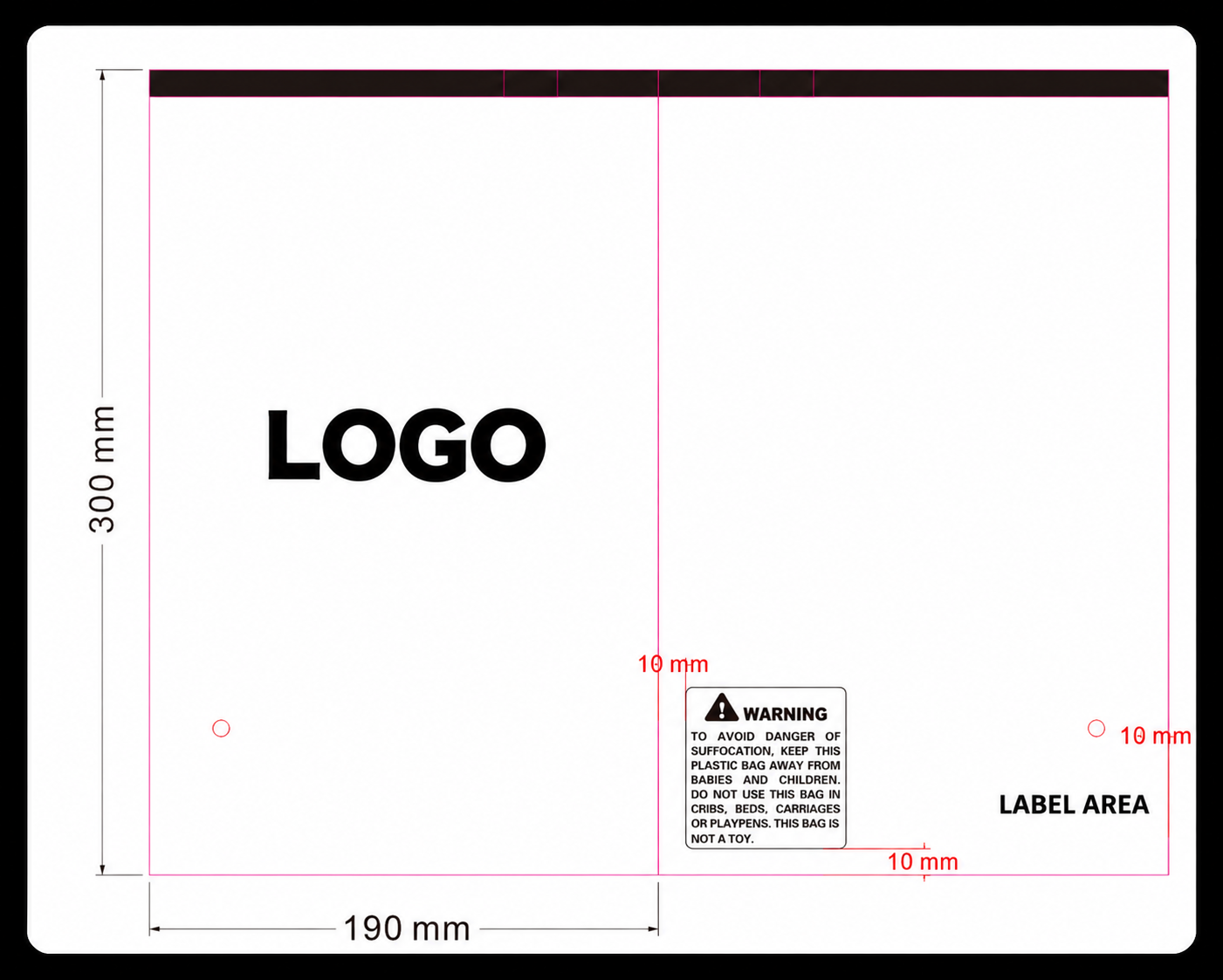
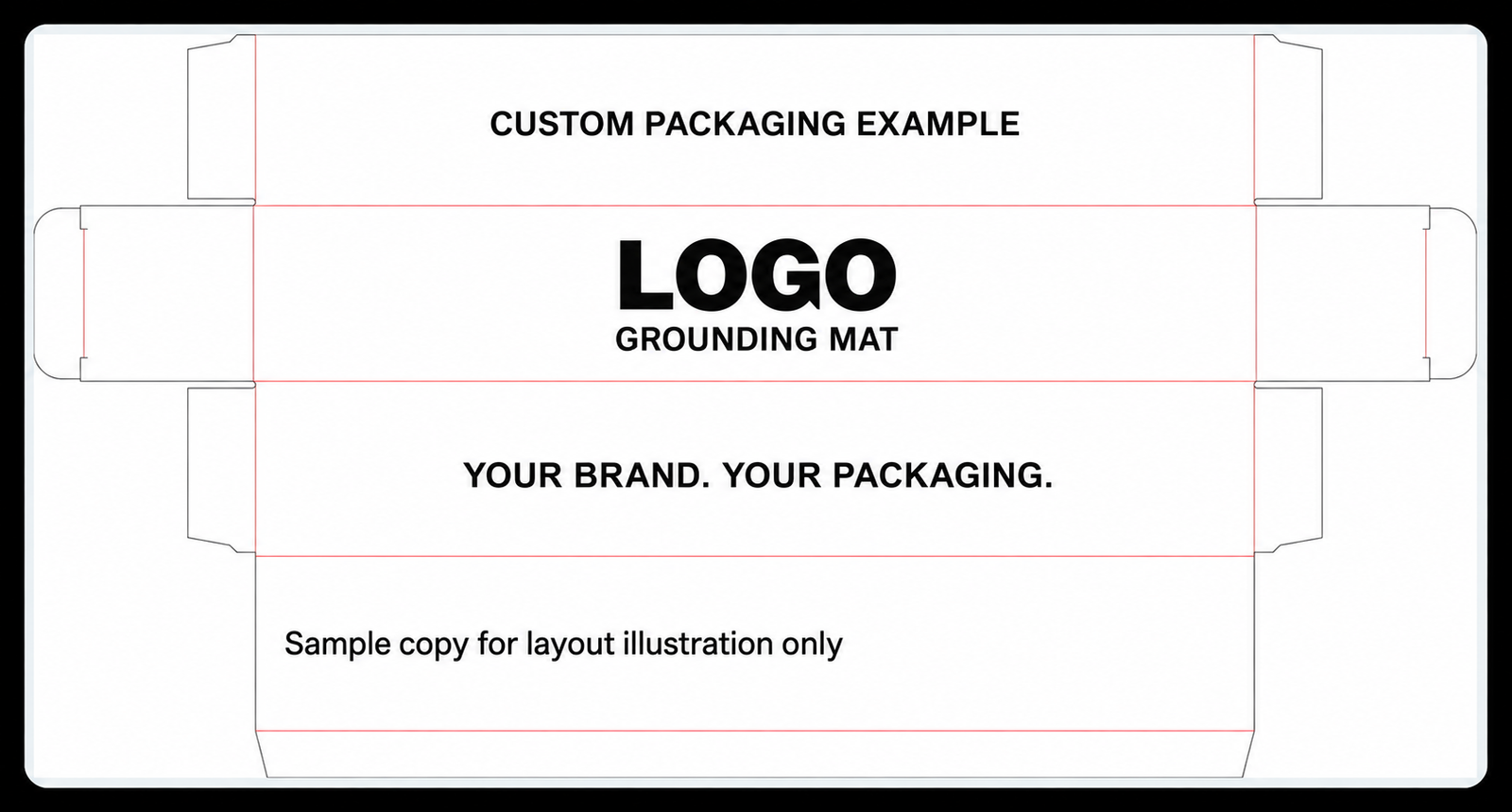
The bag, grounding-mat box, and branded care-label artwork examples in this guide show how a brand area and sample copy can be organized before printing. They are anonymized design illustrations, not photographs of finished packs or evidence of certification. Dimensions and dielines in an example are not universal specifications.
Brand choices may include logo placement, brand colors, typography, tone of voice, packaging format, photography, and unboxing sequence. These are commercial decisions. They must remain separate from destination-market information that may be mandatory.
Branded Care Labels and Inserts
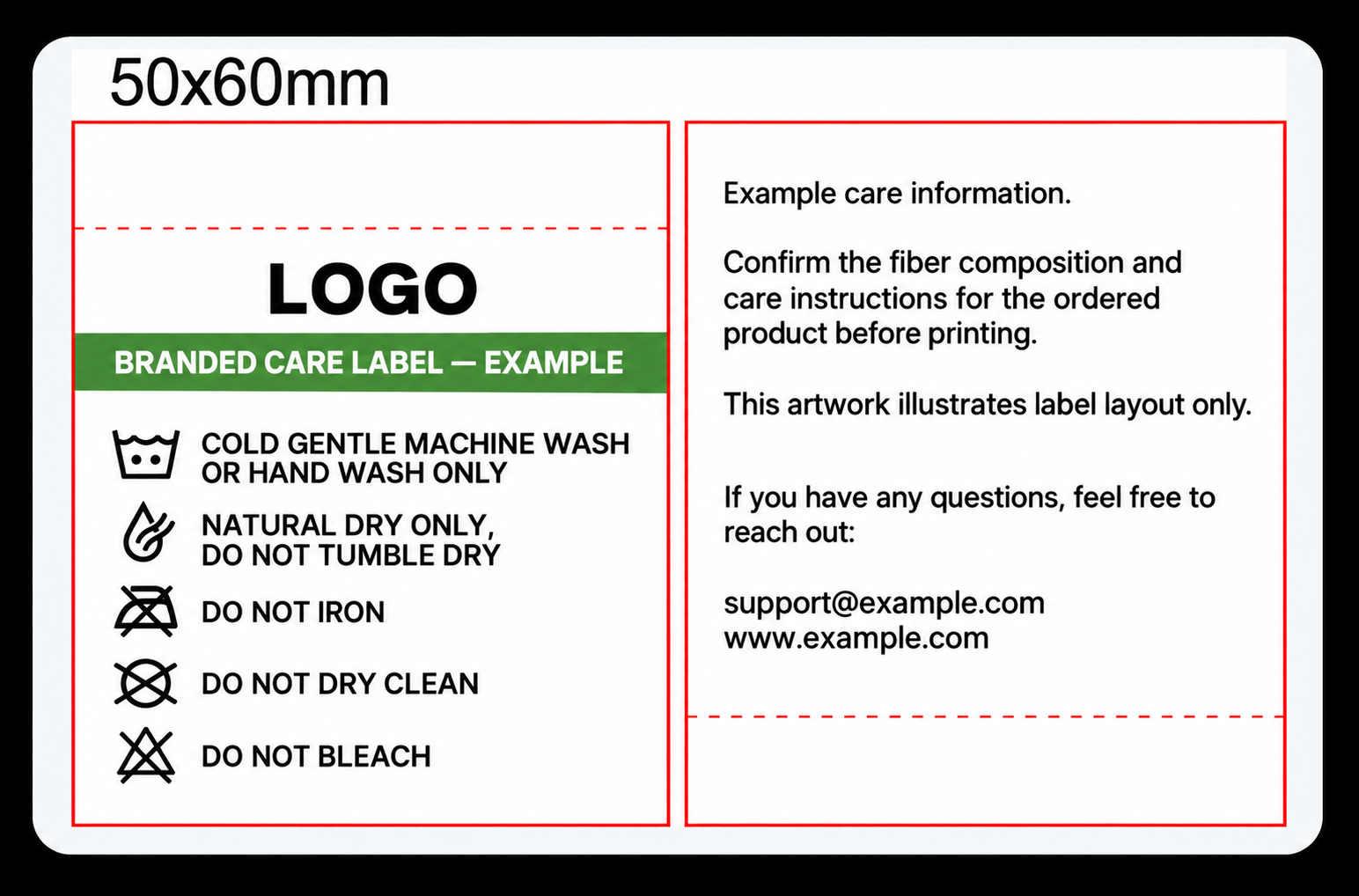
Aisiting provides free design support for branded care labels. Custom branded care labels have a minimum order quantity of 1,000 units and a production time of 4 days. Confirm the production start date when approving the final artwork; design revisions and shipping are separate from the production period.
The branded care-label specification should state placement, finished dimensions, attachment method, substrate, print colors, wording, and artwork revision. Required fiber, care, origin, importer, language, or other declarations depend on the product and destination.
Inserts should explain the product contents, setup, care, storage, and support route in clear language. Instructions must match the actual product and included accessories. Translations require human review by a qualified market-language specialist, particularly where instructions or safety information could be misunderstood.
Barcodes and Cartons
The brand owner should control SKU-to-barcode assignment and provide approved barcode files or verified data. Whether a UPC, EAN, GTIN, marketplace label, retailer code, or another format is needed depends on the sales channel. The manufacturer should not create or substitute numbers without written authorization.
Master-carton specifications should cover carton dimensions, pack quantity, gross and net weight fields, SKU, purchase-order reference, carton numbering, handling marks, and other required information. Exact markings and pallet requirements must be confirmed with the buyer’s warehouse, retailer, freight partner, and destination rules.
Wholesale Terms: MOQ, Samples, Lead Time, and Packaging
Packaging decisions influence wholesale terms because customized materials often have their own production constraints. Buyers should request a written quotation that separates the product, accessories, labels, inserts, retail packaging, cartons, sampling, testing, and freight-related packing costs where applicable.
MOQ
For Aisiting custom-branded packaging bags and custom-branded packaging boxes, the minimum order quantity is 1,000 units, and customization incurs an additional charge. This packaging minimum is separate from the finished-product order quantity. Ask for a quotation identifying the chosen format, print specification, and any separate development or tooling charges. Other packaging components may have different minimums.
Ask the supplier to identify the MOQ for each customized component, any excess packaging quantity, how unused materials are stored, and whether future artwork changes could make that stock obsolete.
Samples and Approval
Clarify which samples are available and what each sample proves. A product sample can confirm general construction, while an artwork proof confirms layout. A packaging prototype evaluates fit and presentation, and a pre-production sample represents the final approved combination.
The quotation should identify sample charges, courier costs, sample timing, revision limits, and whether sample materials or printing methods differ from mass production. Approval should be recorded in writing, including dated photos or signed reference samples when practical.
Lead Time
Aisiting’s custom-branded packaging bags and boxes have a production time of 2–3 weeks. This is the packaging production period, not a combined estimate for design, bedding manufacture, or delivery. Confirm the schedule for the approved artwork and order before production.
Lead time should be divided into development, sampling, material preparation, production, inspection, and shipment readiness. It should not be treated as a single unqualified number. Customized cartons or printed materials may have different schedules from the bedding product itself.
Confirm the production start date and the impact of changes after artwork approval.
Packaging Performance
For silver-fiber finished bedding, discuss oxidation-conscious packing as part of the storage plan. Ask Aisiting which protective packaging configuration is suitable for the specific product, storage environment, and distribution route. Confirm sealing, handling, and storage instructions before ordering. Packaging design should support protection against exposure during storage, but buyers should not treat it as a guarantee of discoloration-free storage for an unspecified number of years.
Retail appearance is only one requirement. Packaging should also protect the goods through handling, storage, and transport. Define acceptable folding, carton loading, moisture protection, sealing, compression, and transit-test expectations. The appropriate packaging tests and acceptance criteria depend on the product, route, channel, and customer requirements.
How to Evaluate a Manufacturer and Supplier
Supplier evaluation should cover evidence, systems, and communication rather than relying only on a low unit price.
Request a product specification and compare it line by line with the sample. Confirm how the supplier controls materials, dimensions, workmanship, conductive components, accessories, and packing completeness. Any claimed test result, material property, or certification should be supported by current documentation applicable to the quoted product.
Review the supplier’s packaging control process. Useful questions include:
- How are buyer artwork and revisions received, approved, and released?
- How are similar sizes and SKUs separated during packing?
- How are barcode files checked and scan-tested?
- How are labels, inserts, products, and accessories counted?
- What traceability information connects finished cartons to production records?
- How are nonconforming goods isolated and corrected?
- Can the supplier provide packed-product and carton inspection evidence?
For quality control, agree on inspection stages and acceptance criteria before placing the order. Checks may cover product dimensions, appearance, label placement, artwork revision, barcode readability, accessory count, retail-pack condition, carton quantity, and shipping marks. Inspection scope and sampling method require written agreement.
Market and Import Considerations
The United States, Canada, Europe, Australia, and Singapore should not be treated as one packaging market. Product descriptions, textile labeling, care information, language, importer identification, origin marking, packaging waste obligations, recycling symbols, electrical accessories, and retail barcode practices may differ.
Buyers should create a market matrix covering each destination and sales channel. Include:
- Local bedding dimensions and customer-facing size names
- Required languages and measurement units
- Product, textile, origin, and importer information
- Accessory and connection-system suitability
- Applicable warnings or instructions
- Barcode, retailer, and marketplace label formats
- Packaging-material and recycling requirements
- Carton and pallet marks
- Import documentation and responsible-party details
All legal, safety, customs, and marketplace requirements should be reviewed by qualified local professionals before artwork approval. If one product will serve multiple markets, determine whether a shared pack is practical or whether separate labels, inserts, accessories, and SKUs are necessary. This decision can materially affect MOQ, inventory complexity, and lead time.
Buyer FAQ
Frequently Asked Questions
What information should be included in an OEM packaging RFQ?
Provide the product type, specifications, sizes, order quantity by SKU, target markets, sales channels, branding files, preferred packaging format, included accessories, barcode responsibility, carton requirements, testing expectations, and target delivery window. Identify any undecided items so the supplier can separate confirmed requirements from options.
Who should create and verify the product barcodes?
The brand owner or authorized data owner should normally assign each barcode to the correct SKU and provide approved information. The supplier can place the supplied barcode into artwork and check printing or scannability if that service is available. Ownership, verification method, barcode type, size, placement, and scan-quality expectations should be documented before production.
Is a digital artwork proof enough for mass-production approval?
Not always. Digital proofs are useful for wording, layout, and revision control, but they cannot fully confirm physical size, substrate, print appearance, folding, fit, barcode performance, or packed-product presentation. The need for a physical prototype or pre-production sample depends on packaging complexity and buyer risk requirements.
How should buyers manage several sizes or regional versions?
Use a controlled SKU matrix linking every product size and market version to its label, insert, barcode, accessory, retail pack, and carton mark. Apply unique file names and revision numbers. During sampling and inspection, check each variant rather than assuming approval of one size covers the others.
Which quality checks are important before shipment?
The inspection plan should verify the agreed product specification and packaging configuration. Typical checkpoints include SKU identity, size, appearance, label content and placement, correct artwork revision, insert language, barcode data and readability, accessory count, seal quality, carton quantity, and shipping marks. The buyer and supplier must agree on inspection levels and acceptance limits.
Can exact MOQ and lead time be confirmed before artwork is complete?
A supplier may provide an initial estimate, but a reliable quotation requires the final product range, quantity by SKU, packaging components, print method, artwork versions, sample process, and testing requirements. Ask for updated written confirmation after these details are approved.
Contact Supplier
Next Steps for B2B Buyers
Successful private label grounding product packaging begins with one controlled specification connecting the product, branding, labels, inserts, barcodes, accessories, retail pack, and shipping cartons. Confirm market requirements separately, approve physical samples where needed, and establish revision control and inspection criteria before mass production.
Send us your RFQ with your product types, materials, sizes, target markets, order quantities by SKU, branding files, packaging concept, label and insert requirements, barcode format, included accessories, sample needs, expected MOQ, and target delivery date. Request a quotation and samples for an OEM or private-label review based on your confirmed sourcing requirements.