How to Build a Grounding Product Line for Retail, E-Commerce, and Distribution
Building a grounding product line involves more than selecting products and adding a logo. Procurement teams must connect customer needs, sales channels, product specifications, packaging, supplier controls, and inventory decisions within one commercially manageable range.
Introduction: Why a Grounding Product Line Matters to B2B Buyers
A retailer may prioritize shelf presentation and simple customer choices. An e-commerce brand may need compact shipping cartons, detailed product information, and clear variant management. A distributor may require broader size coverage, consistent documentation, and packaging suitable for multiple customers or markets.
The most practical approach is to begin with a focused portfolio, establish an approved private-label specification, test the range through a controlled pilot order, and expand only after defined commercial and quality gates have been met. This article explains how to structure that process without relying on unsupported product outcomes, unverified supplier capabilities, or assumed market demand.
Grounding Product Line: What Buyers Need to Know

A grounding product line is a coordinated portfolio of grounding bedding, related textile products, connection components, and optional accessories sold under one commercial strategy. The objective is not to offer every possible variation. It is to provide the right products for a defined customer, channel, price position, and market.
Begin by answering four questions:
- Who is the intended customer?
- Where will the products be sold?
- Which products can serve as the initial hero SKUs?
- What must be demonstrated before the range expands?
For example, grounding products for retailers may need a limited selection that can be explained quickly at the shelf or by sales staff. An online range can support more variants, but every additional size, color, package, and accessory creates new content, forecasting, inventory, and customer-service requirements. Distribution customers may value standardized case packs and reorder continuity more than extensive consumer-facing customization.
A focused grounding bedding product range might begin with one core product category and a controlled selection of locally relevant sizes. Compatible accessories can then be included where their specifications, instructions, and market suitability have been verified. The actual product mix should be based on the buyer’s channel data and supplier quotation rather than assumed bestseller status.
A useful portfolio structure is:
- Good: A straightforward entry product with essential components and standard presentation.
- Better: An upgraded specification, package, or feature set that is meaningful to the target customer.
- Best: A premium proposition supported by clearly documented differences.
Each tier must have a genuine, verifiable distinction. Changing only the product name or making unsupported outcome claims does not create a credible tier.
From OEM Concept to Approved Private-Label Specification
An OEM or private-label project should begin with a written product brief. This document translates the commercial idea into requirements that a manufacturer can review, sample, quote, and reproduce.
The brief should identify:
- Product category and intended use
- Target market and sales channel
- Required dimensions and acceptable tolerances
- Textile construction and documented material composition
- Conductive component specification and required verification method
- Color, finish, stitching, labels, and branding
- Connection components and included accessories
- Individual packaging, inserts, carton configuration, and barcode needs
- Inspection criteria and sample approval process
- Required test reports or supporting documents
Avoid using a general description such as “premium grounding sheet” as the controlling specification. Terms such as premium, soft, or high quality can be interpreted differently. Replace them with measurable or reference-based requirements wherever possible.
Sampling should normally progress through controlled checkpoints. A development sample can confirm dimensions, construction, appearance, and component compatibility. A branded or pre-production sample can then confirm labels, artwork, packaging, and the complete packed presentation. The exact sampling stages and charges must be agreed with the supplier.
Approval records should include dated photographs, sample identification, specification revision, artwork version, and written comments. The buyer and supplier should also agree that substitutions or changes to materials, components, construction, labels, or packaging require authorization. This change-control process helps prevent an approved sample from becoming disconnected from later production.
Planning Your Grounding Bedding Program?
Share target products, sizes, quantities, branding, packaging, and destination markets for an OEM quotation.
OEM and Private-Label Decisions
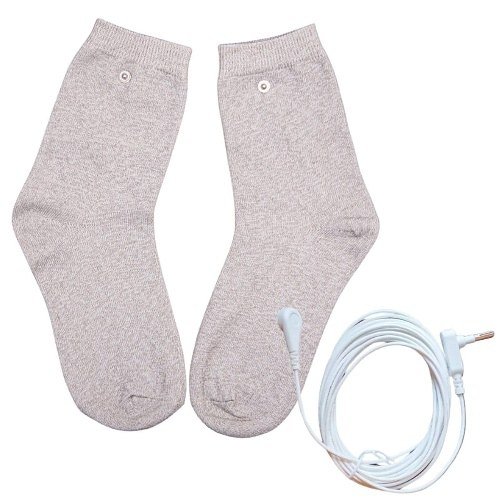
Private label grounding products can range from an existing supplier design with customized packaging to a substantially buyer-defined product. The appropriate level depends on order volume, launch timing, differentiation goals, and the buyer’s ability to manage development.
Define the hero SKUs
A hero SKU is a product selected to carry the initial commercial proposition. It should be relevant to the target customer, understandable within the chosen channel, and practical to stock.
Instead of launching every available dimension, buyers can choose a small set of sizes using their own sales data and local bedding conventions. This reduces early inventory fragmentation and makes sample approval, content production, and quality review easier.
Control SKU complexity
SKU counts can increase quickly. One product offered in four sizes, three colors, two packages, and two accessory configurations creates 48 combinations. Each combination may require a separate forecast, barcode, label, carton mark, product page, inspection reference, and stock record.
Before adding a variant, determine whether it serves a documented channel or customer requirement. A customization matrix can show which elements are fixed and which can vary:
| Decision area | Fixed across the range | Possible controlled variation |
|---|---|---|
| Brand identity | Logo rules and visual system | Product name or tier color |
| Product specification | Approved core construction | Size or defined tier |
| Connection system | Compatibility standard | Market-specific configuration |
| Packaging | Required legal and brand elements | Retail box, e-commerce pack, or distributor pack |
| Documentation | Approved core instructions | Language and local-market information |
Plan accessories carefully
Accessories may improve assortment completeness, but they also introduce compatibility, instruction, safety, and replacement-stock questions. Confirm exactly what is included with each SKU, what can be sold separately, and how compatible versions will be identified. Any electrical or connection-related component must be reviewed for the intended destination market.
Set expansion gates
Expansion should follow evidence from the pilot, not enthusiasm alone. Possible gates include approved quality results, acceptable return reasons, stable reorder behavior, manageable customer questions, packaging performance, and reliable supply execution. The buyer must define the required thresholds.
Wholesale Terms: MOQ, Samples, Lead Time, and Packaging
Wholesale planning requires a complete quotation rather than a unit price alone. Exact quantities, timing, and charges depend on the approved specification and must come from a verified supplier quotation.
MOQ
Ask whether the minimum order quantity applies per product, size, color, artwork version, package type, or total order. A seemingly manageable total MOQ may still produce difficult minimums at variant level. Also confirm whether customized textiles, labels, printed boxes, inserts, or accessories have separate minimum quantities.
Samples
Request a written explanation of sample types, costs, production time, shipping method, and approval status. Confirm whether the quoted production version will match the approved sample and how any unavoidable differences will be disclosed. Retain an approved reference sample when practical.
Lead time
Lead time should be separated into development, sample revision, material preparation, production, inspection, packaging, and shipment stages. Ask when the production clock begins: deposit, artwork approval, material confirmation, or final sample approval may each affect the schedule.
Seasonal closures, custom packaging, component availability, and inspection timing should be considered in the launch plan. Transit time and customs clearance are separate from manufacturing lead time.
Packaging
Packaging must suit both the product and the channel. Retail packaging may require strong visual communication and shelf identification. E-commerce packaging should be evaluated for parcel handling, dimensional efficiency, and customer unboxing. Distributor packaging may emphasize case quantities, carton marks, and warehouse identification.
Confirm:
- Packed dimensions and weight
- Individual and master-carton materials
- Units per carton
- Barcode ownership and placement
- Country-of-origin marking requirements
- Instructions, warnings, and language versions
- Packaging tests or acceptance criteria
- Responsibility for artwork review and print approval
A pilot order is valuable for confirming the complete packed product, operational workflow, and channel response before expanding the range.
How to Evaluate a Manufacturer and Supplier
Supplier evaluation should examine whether the manufacturer can understand, document, produce, inspect, and communicate the agreed specification. A polished catalogue is not enough.
Use a due-diligence checklist covering:
- Product evidence: Request specifications, component information, sample records, and applicable test documentation.
- Quality control: Ask how incoming materials, in-process production, finished goods, and packed products are inspected.
- Traceability: Confirm how production batches, materials, accessories, labels, and inspection records are identified.
- Change control: Determine how substitutions and specification changes are proposed, reviewed, and approved.
- Capacity: Request capacity and scheduling confirmation for the specific product and order period.
- Communication: Evaluate response quality, revision accuracy, document control, and escalation procedures.
- Service: Clarify sample support, artwork coordination, inspection access, complaint handling, and replacement procedures.
- Business verification: Review the supplier’s legal identity, manufacturing role, export experience, and relevant audit or certification documents.
Quality control requirements should be written into the purchase specification. Define sampling plans, defect categories, measurement methods, packaging checks, and acceptance decisions with qualified personnel. Buyers should also establish who may authorize shipment and what happens if the inspection result does not meet the agreed criteria.
Market and Import Considerations
A product approved for one destination should not automatically be assumed suitable for another. The United States, Canada, Europe, Australia, and Singapore have different commercial conventions and may have different requirements for labeling, consumer information, packaging, electrical accessories, and imports.
Before ordering, verify:
- Locally expected bedding sizes and dimension terminology
- Fiber-content and care-label rules
- Country-of-origin and importer information
- Language requirements
- Product and packaging claims
- Barcode and retail data standards
- Packaging or environmental obligations
- Electrical, plug, outlet, or connection-component requirements
- Applicable product-safety and documentation responsibilities
- Tariff classification, duties, taxes, and customs records
All market requirements should be reviewed by an appropriately qualified local party. A supplier can provide product documents, but the importer or brand owner should confirm which rules apply to the final product, packaging, claims, and sales channel.
Buyer FAQ
Frequently Asked Questions
1. How many products should an initial grounding range include?
There is no universal number. Begin with enough hero SKUs to represent the target customer and channel without creating excessive inventory complexity. Use verified sales data, local size requirements, and operational capacity to determine the final count. Add variants only after the pilot meets predefined expansion gates.
2. What information should be included in an OEM RFQ?
Include the product category, dimensions, construction requirements, documented material composition, colors, branding, labels, accessories, packaging, target markets, estimated quantities, inspection expectations, sample needs, and requested delivery window. Ask the supplier to identify assumptions and unconfirmed items separately.
3. Can one package design be used in every market?
Possibly, but it should not be assumed. Language, importer details, labeling, claims, disposal information, barcodes, and instructions may differ by destination or channel. Have each market version reviewed before printing. Use clear artwork revision codes to prevent obsolete packaging from entering production.
4. How should buyers compare wholesale quotations?
Compare quotations against the same approved specification. Review what is included in the price, variant-level MOQs, sample costs, packaging, accessories, testing, inspection, payment terms, production lead time, quotation validity, and trade terms. A lower unit price may not represent a lower total landed cost.
5. What should be checked on a pre-production sample?
Check dimensions, construction, appearance, material declarations, labels, branding, connection components, included accessories, instructions, barcode readability, packaging, and carton marks. Record approval against a numbered specification and artwork version. Required functional or laboratory verification should be defined and completed by suitable parties.
6. How can a buyer maintain consistency after approval?
Keep a controlled specification, approved reference sample, artwork files, component list, inspection criteria, and written change procedure. Link purchase orders to the correct revisions. Require the supplier to disclose proposed substitutions before production and retain batch and inspection records where agreed.
Contact Supplier
Next Steps for B2B Buyers
A successful grounding product line starts with a defined customer and channel, a focused group of hero SKUs, controlled specifications, and a supplier capable of supporting documented approval and quality processes. Good-better-best tiers, accessories, and additional variants should be introduced only when they create a verified commercial purpose.
Send us your RFQ or request an OEM/private-label consultation. Provide your target markets, sales channels, product categories, sizes, material and construction requirements, branding files, packaging needs, accessory configuration, estimated quantities, sample requirements, quality expectations, and requested delivery schedule. The manufacturer can then confirm feasibility, samples, MOQ, quotation, and lead time based on your specific project.