Grounding Socks Wholesale: Materials, Sizing, OEM, and Quality Requirements
Sourcing grounding socks wholesale requires more than comparing unit prices. Buyers must evaluate textile construction, conductive yarn placement, sizing, connector compatibility, packaging, quality controls, and the supplier’s ability to reproduce an approved specification across production batches.
IN THIS GUIDE
Introduction
Importers, distributors, retailers, and private-label brands serving multiple markets may need different size labels, instructions, packaging languages, or electrical accessories…
Grounding Socks Wholesale
Grounding socks are textile products incorporating conductive material intended to form part of a grounding system. Aisiting knits its socks…
Wholesale Sourcing Requirements Buyers Should Define
A complete RFQ helps a conductive socks supplier assess feasibility and prepare a comparable quotation. It also reduces the risk…
Introduction: Why Grounding Socks Wholesale Matters to B2B Buyers
Importers, distributors, retailers, and private-label brands serving multiple markets may need different size labels, instructions, packaging languages, or electrical accessories by destination.
Grounding socks are often positioned within the broader grounding or wellness category. Aisiting’s product uses silver-fiber conductive yarn knitted into the sock, rather than an unspecified conductive fiber. Procurement decisions should still be based on documented specifications and product-level evidence rather than unsupported health claims.
Start with an RFQ, then approve samples, specifications, packaging, and pre-shipment checks.
Grounding Socks Wholesale: What Buyers Need to Know
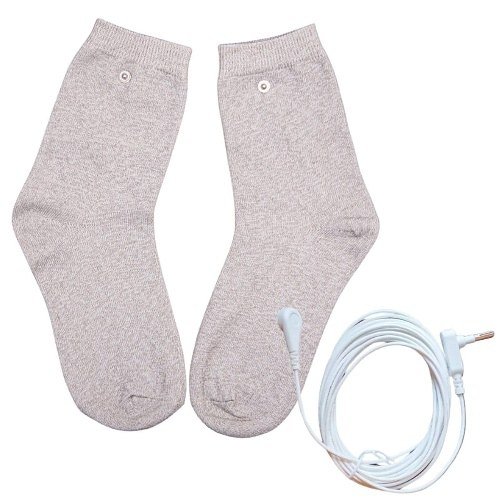
Grounding socks are textile products incorporating conductive material intended to form part of a grounding system. Aisiting knits its socks with silver-fiber conductive yarn mixed into multiple areas of the sock. The yarn is part of the knitted construction, not merely a surface print or an unspecified add-on. The conductive path is completed through a snap connector and a compatible grounding cord or accessory.
If a buyer plans to market antibacterial properties, the buyer should request product-specific laboratory evidence covering the finished sock, the test method and measured results. Wash-durability wording also needs results after the stated number of laundering cycles. Silver-fiber composition alone does not establish an antibacterial result for a particular product, and textile claims should not imply protection of the wearer from infection or disease.
The exact construction varies by supplier. Buyers should not assume that two visually similar products have the same fiber composition, silver-yarn coverage, connector design, or tested performance. For Aisiting’s socks, the purchasing specification should identify:
- Complete fiber composition and percentages, including the silver-fiber yarn
- Where the silver yarn is knitted into the sock and how the conductive path reaches the snap
- One-size finished measurements and the fit range stated on the approved size chart
- Direct snap or leather-reinforced snap construction
- Two compatible grounding cords per pair in the complete set
- Product-specific conductivity or resistance test method and results
- Any product-specific antibacterial and wash-durability reports needed for the intended market claim
Wholesale grounding socks offer standard, customized, or private-label options with different costs, MOQs, and lead times.
Buyers should know who controls knitting, silver-yarn purchasing, snap assembly, testing, packaging, and final inspection—even when ordering through a trading supplier.
Wholesale Sourcing Requirements Buyers Should Define
A complete RFQ helps a conductive socks supplier assess feasibility and prepare a comparable quotation. It also reduces the risk of receiving samples that do not represent the intended commercial product.
Product specification
Define the intended sock style, length, fit, color, and target user. State whether the requirement is for an existing supplier model or a new design. Request the following information:
- Yarn and material composition, including the silver-fiber yarn
- Silver-yarn placement across the knitted sock and the intended conductive path
- Knit structure, stretch, toe, heel, cuff, and seam construction
- One-size measurements and the range of feet the approved sample is intended to fit
- Direct snap or leather-reinforced snap option, with the connector location
- Two cords per pair, cord-to-snap compatibility, and the required grounding accessory
- Care instructions, conductivity results, and any antibacterial test evidence
For Aisiting’s complete kit, specify two grounding cords for one pair of socks—one cord for each sock. Confirm cord length, connector type, plug or adapter requirements, and whether both cords are packed with each pair. A product photograph may show fewer than all kit components; the approved bill of materials and packaging proof control the delivered contents. Ask the supplier to quote socks alone and complete kits separately if both assortments are needed.
Quantity and assortment
The standard product is generally offered in one size. Provide estimated order quantity by color, connector construction, cord set, and packaging format. If a custom size or expanded size range is required, raise it at the quotation stage: custom sizing is subject to a minimum order quantity. A total order quantity without a SKU breakdown may not be sufficient for a feasible quotation.
Packaging and logistics
Packaging can be customized. State whether each pair requires a polybag, paper band, carton, pouch, retail box, barcode label, insert, or other presentation. For a complete set, show where both grounding cords sit in the pack and how the two cords are counted at inspection. Include carton-marking requirements, destination, preferred shipping terms, and any restrictions affecting packing dimensions or materials.
Ask for proposed unit-pack and master-carton specifications. Final carton measurements and weights should be confirmed from production-ready packaging rather than estimated from an early textile sample.
Planning Your Grounding Bedding Program?
Share target products, sizes, quantities, branding, packaging, and destination markets for an OEM quotation.
OEM and Private-Label Decisions
OEM grounding socks allow a brand to align the product with its target customer, assortment, and visual identity. However, every customization should be documented and approved before bulk production.
Common customization fields include:
- Sock color and color reference
- Standard one-size identification or a custom-size plan with the required MOQ
- Logo location and application method
- Woven, printed, or heat-transfer labels
- Silver-yarn placement within the knitted construction
- Direct snap or leather-reinforced snap position and design
- Individual packaging
- Instruction sheets and care labels
- Barcode, SKU, and carton labels
- Two grounding cords per pair and any additional accessories
The connector can be fixed in either of two ways. One option is to fasten the conductive snap directly into the sock. The other adds a reinforcing leather piece and fixes the snap to that piece. The reinforced option is intended to hold the snap more securely when users pull the cord or repeatedly connect and disconnect it; buyers should compare approved samples and agreed pull or wear tests rather than assume a quantified lifetime improvement. Leather type, placement, dimensions, color and care instructions should be included in the OEM specification.
Not every customization can be applied to every construction. Logo detail, yarn color, knit density, stretch, silver-yarn placement, and connector attachment may interact with one another. The manufacturer should review technical feasibility before confirming the design.
Use staged approvals: confirm the specification and artwork, inspect a development sample for fit and connector assembly, and approve a pre-production sample made with intended bulk materials. Keep the approved sample and signed specification for inspection.
Private-label packaging needs equal attention. Claims, instructions, importer details, fiber labeling, care information, warnings, language, and recycling marks may be market-specific. The buyer should have packaging and marketing content reviewed by qualified local professionals. Supplier approval of artwork confirms production feasibility; it should not be treated as legal approval.
Wholesale Terms: MOQ, Samples, Lead Time, and Packaging
Commercial terms should be compared only after the product scope is aligned. A lower quotation may reflect a different material, simplified connector, generic packaging, reduced inspection scope, or different shipping term.
Minimum order quantity
The standard Aisiting sock is generally one-size. Custom sizes require a minimum order quantity, and the applicable threshold should be quoted for the requested construction and size assortment. MOQ may also change with silver-yarn availability, color, logo method, connector reinforcement, packaging, and SKU count. Ask whether the minimum applies per order, color, custom size, design, or packaging version.
If the required quantity is below the OEM threshold, consider a standard product with customized labels or packaging. This can reduce development complexity, subject to supplier confirmation.
Samples and charges
Confirm the available sample stages, sample cost, customization charge, courier cost, and preparation time. Ask whether sample charges are refundable or credited against a future order.
Lead time and payment
Request separate estimates for sample development, material preparation, production, packaging, inspection, and dispatch. Lead time should be confirmed in a formal quotation and reconfirmed after artwork, samples, quantities, and payment terms are approved.
Payment method, deposit requirements, balance timing, quotation validity, currency, and Incoterms must also be stated in writing.
Packaging
Confirm what is included in the quoted price. A socks-only quotation differs from a two-cord-per-pair kit. Packaging approval should cover materials, dimensions, printing, labeling, barcode readability, placement and count of both cords, carton assortment, and shipping marks. Any packaging testing required by the buyer or destination market should be specified in the purchase agreement.
How to Evaluate a Manufacturer and Supplier
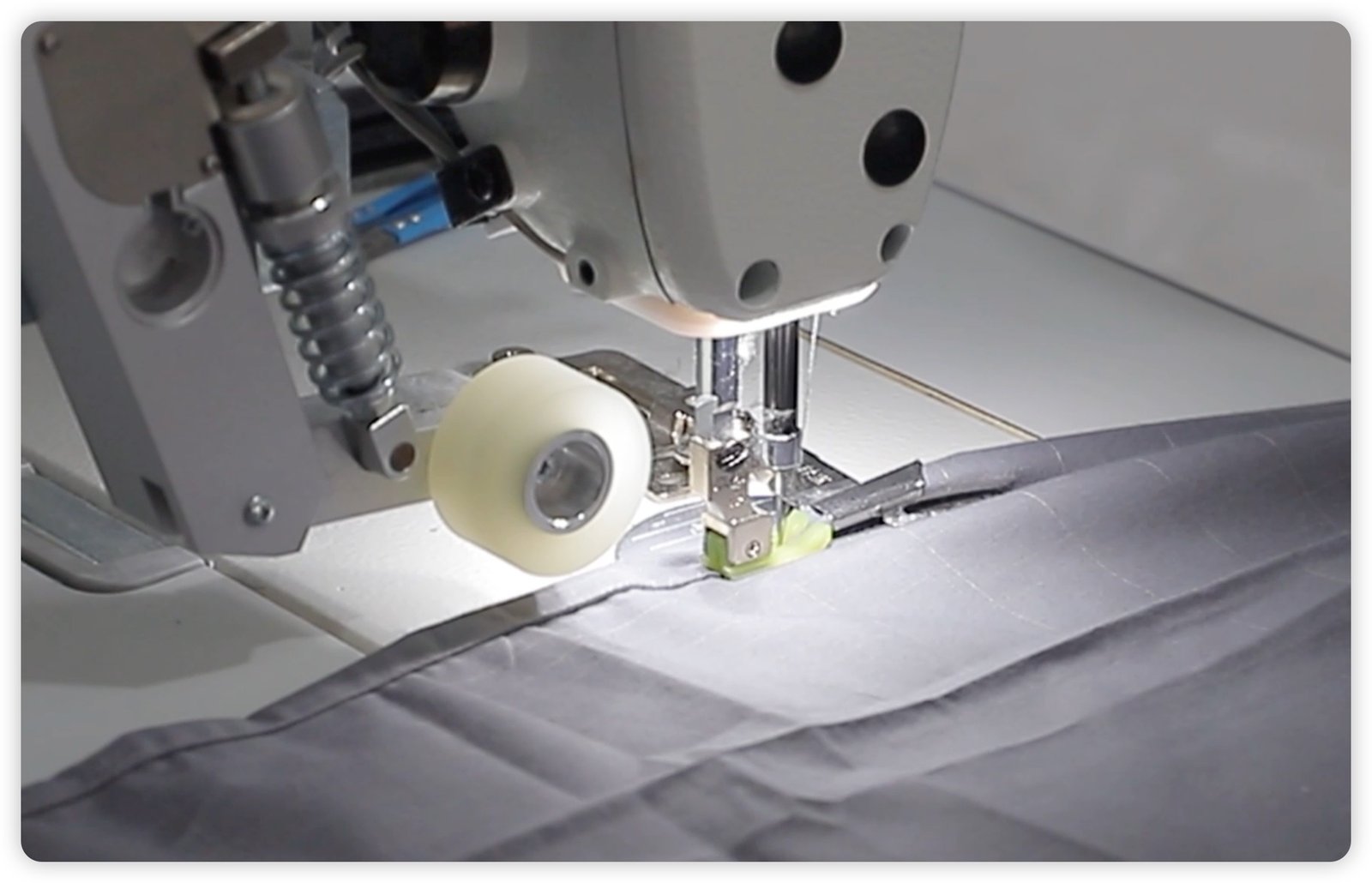
Supplier evaluation should combine documentation, samples, communication quality, and production evidence. A professional response to an RFQ is useful, but it does not replace verification.
Use a structured checklist covering:
- Business identity and manufacturing role
- Relevant production processes performed in-house or subcontracted
- Material and component traceability procedures
- Incoming-material, in-process, and final inspection controls
- Test equipment, test methods, and calibration records where applicable
- Batch identification and production-record retention
- Monthly capacity for the required construction and order period
- Procedures for nonconforming products and corrective actions
- Experience with the buyer’s required packaging and export destination
- Responsiveness during specification and sample development
Ask for a quality-control plan linked to measurable requirements. For this product it should cover silver-yarn documentation and placement, one-size measurements, appearance, knitting defects, seam quality, logo placement, snap attachment, both cords, packaging, and product-specific electrical testing. Compare direct and leather-reinforced snaps using an agreed attachment or repeated-use test. Where antibacterial durability is proposed for future marketing, require a product-specific laboratory report with results at the claimed wash count before the wording is approved.
Inspection methods, sampling plans, acceptance criteria, and test thresholds must be agreed before production. Avoid vague requirements such as “good conductivity” or “high quality.” A requirement is useful only when both parties understand how it will be assessed.
Market and Import Considerations
Products intended for the United States, Canada, Europe, Australia, or Singapore may require different labeling, documentation, language, packaging, and import procedures. Requirements can also change according to whether the shipment contains socks only or includes two cords, adapters, plugs, or other electrical accessories. Antibacterial wording may have additional market-specific rules: describe tested textile performance, not protection of the wearer against disease, and obtain destination-market review before using the claim.
Before ordering, verify:
- Local textile fiber and care-labeling requirements
- Country-of-origin and importer-identification rules
- Applicable product-safety and chemical requirements
- Packaging, recycling, and environmental obligations
- Language requirements for labels and instructions
- Electrical-accessory requirements for the destination market
- Customs classification, duties, taxes, and import documentation
- Restrictions on marketing and product claims
Size naming also differs among markets. Do not rely only on labels such as small, medium, or large. Use an approved size chart with defined measurement methods and market-facing size conversions.
The importer or brand owner should obtain advice from qualified customs, testing, and regulatory professionals. Supplier documents can support the review, but they do not transfer the buyer’s market-entry responsibilities.
Buyer FAQ
Frequently Asked Questions
What information should be included in a grounding socks wholesale RFQ?
Include the target markets, sock style, silver-yarn specification, knit placement, direct or leather-reinforced snap, one-size or custom-size requirement, colors, quantities by SKU, branding, packaging, two cords per pair, testing needs, destination, Incoterm, and target schedule. Attach artwork and measurement documents when available.
How should buyers compare samples from different suppliers?
Compare samples against one written checklist. Review material documentation, measurements, stretch, workmanship, conductive yarn coverage, connector attachment, accessory compatibility, labeling, and packaging. Request the supplier’s test method and product-specific results. Visual similarity alone is not enough.
Can OEM grounding socks be ordered in custom sizes and colors?
The standard Aisiting product is generally one-size. Custom sizing and colors may be available, but custom sizes require a minimum order quantity. Buyers should request the specific MOQ, development cost, color-matching method, sample timing, and size tolerances in the supplier’s quotation.
How can buyers verify conductive performance?
Ask the supplier to identify the conductive path, measurement points, equipment, conditioning procedure, test method, acceptance threshold, and recorded results. If performance is commercially critical, agree on the test protocol before ordering and consider independent testing.
What quality checks should take place before shipment?
The inspection plan may include quantity, assortment, one-size measurements, appearance, knitting and seam defects, silver-yarn placement, direct or leather-reinforced snap assembly, two cords per pair, labeling, barcode readability, packaging, and agreed performance tests. Inspection scope and acceptance criteria should be approved before production.
Should buyers choose a standard product or develop a private-label version?
A standard product may support faster evaluation and simpler initial purchasing, subject to the supplier’s confirmed terms. Private-label development offers greater control over specifications and presentation but usually introduces additional approvals, customization constraints, and MOQ considerations. The right option depends on the brand strategy, launch volume, and level of differentiation required.
Contact Supplier
Next Steps for B2B Buyers
A reliable grounding socks wholesale program begins with an evidence-based specification. Define the silver-fiber yarn and knitted placement, one-size or custom-size requirement, direct or reinforced snap, two-cord kit, customized packaging, quantity, testing expectations, and destination-market requirements before comparing quotations.
Then evaluate suppliers through documented answers, representative samples, clear approval checkpoints, and an agreed quality-control plan. Confirm all product-specific values, MOQs, costs, lead times, and market requirements rather than relying on assumptions.
Request a quotation or request samples: Send us your RFQ with the intended one-size or custom-size requirement, quantities by SKU, preferred colors, snap option, branding files, packaging needs, two-cord kit requirements, destination market, testing expectations, and planned order schedule. Aisiting can then provide specifications, sample options, custom-size MOQ guidance, lead-time information, and a quotation for review.